
Paediatric
Occupational Therapy
Understand how occupational therapy helps children develop essential life skills, improve independence, and access the right support through tailored assessment.
Everyday Skills Development
Occupational therapy supports children in developing skills for daily life, helping them participate, regulate, and function more independently across environments.
Understanding Daily Challenges
Occupational therapy begins by understanding how a child manages everyday activities such as dressing, eating, writing, and play. It is designed for children who find these tasks difficult or overwhelming. By identifying where challenges occur, therapy provides clear direction and support. This helps children build independence, improve confidence, and participate more comfortably in daily routines at home, school, and in social environments.


Sensory Integration Support
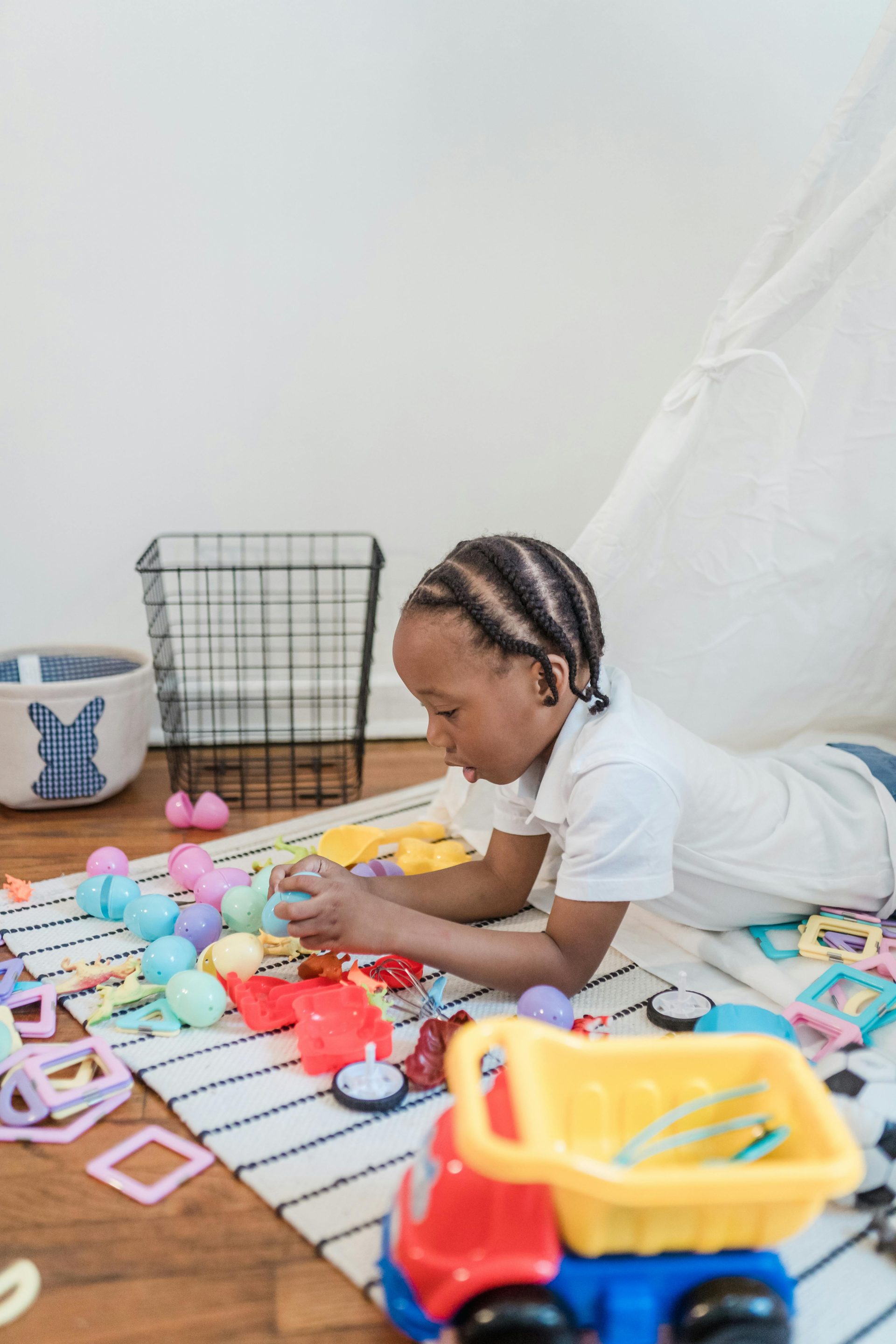
Through sensory integration informed support, Children learn how to process and ‘respond more effectively to sensory information such as sound, movement, and touch. It is suitable for children who feel overwhelmed, under-responsive, or unsettled in certain environments. Using structured, play-based activities, therapy helps improve regulation, attention, and coordination, allowing children to feel more balanced and better able to engage with everyday situations.
Building Regulation Skills
Many children experience difficulties with emotional regulation, attention, or behaviour, which can affect daily functioning. This service supports children in recognising feelings and developing strategies to manage them. It is particularly helpful for children who become easily frustrated or anxious. By building practical coping skills, therapy improves behaviour, supports relationships, and helps children feel more in control across different situations.


Supporting Functional Independence
Occupational therapy focuses on helping children become more independent in daily life, including school participation and self-care tasks. It is designed for children who need additional support to develop coordination, focus, or practical skills. Through structured guidance and repetition, therapy strengthens ability and confidence, enabling children to manage everyday expectations more successfully and participate more fully in learning and social environments.
Why Choose Us?

Person-Centred Support
Every assessment and treatment plan is tailored to the individual’s goals, lifestyle and needs.

Promoting Independence
We help children and young people develop the skills, confidence and strategies to live as independently as possible.

Evidence-Based Practice
Our recommendations and interventions are informed by current research and professional best practice.

Flexible Service Delivery
Appointments can take place at home, in the community, at school or remotely where appropriate.

Practical, Achievable Solutions
We focus on realistic strategies and adaptations that make everyday life easier.

Collaborative Working
We work closely with clients, families, carers, schools and other professionals to achieve the best outcomes.

Clear Communication
You’ll receive understandable advice, timely reports and ongoing support throughout the process.

Responsive and Reliable
We aim to provide prompt appointments, efficient assessments and high-quality reports.

Compassionate Care
We treat every client with dignity, respect and empathy.
FAQs
© 2026 The Sensory OT Practice